
As an Amazon Associate I earn from qualifying purchases.
The fabric you learn on matters more than the machine you learn on. A forgiving fabric hides wobbly seams, presses flat when you need it to, and does not slide out from under the presser foot while you are still figuring out how to steer. An unforgiving fabric does the opposite: it shifts, puckers, frays, and convinces beginners that they are bad at sewing when the real problem is the material.
The rule is simple. Start with stable, medium-weight woven fabrics that stay where you put them. Quilting cotton is the classic first fabric for a reason, and this guide adds six more easy options, names the beginner-friendly bundles worth buying, and lists the fabrics to leave on the shelf until your skills catch up.
TL;DR: Quilting cotton is the best fabric for beginners: stable, cheap, and available in endless prints. The Aubliss 8-piece fat quarter bundle (~$10-15) and the HANPATQUI 50-piece charm square set (~$10-14) are inexpensive ways to stock up for practice projects. Also easy: linen, light denim, fleece, flannel, and canvas. Avoid silk, chiffon, and slippery knits until you can sew a straight seam in your sleep.
At a Glance, Our Scores
| Pick | Best for | Our score | Typical price | Buy |
|---|---|---|---|---|
| Aubliss 8-Piece Fat Quarter Bundle | Best starter bundle | 8.9/10, eight coordinated cotton prints, great practice value | ~$10-15 | Check Price on Amazon |
| HANPATQUI 50-Piece 5″ Charm Squares | Best for practice piecing | 8.8/10, fifty precut squares, zero cutting needed | ~$10-14 | Check Price on Amazon |
| Hanjunzhao Cute Animals Fat Quarter Bundle | Best fun prints | 8.6/10, cheerful prints for kids projects and gifts | ~$10-15 | Check Price on Amazon |
| UPSYTIO 9-Piece Floral Fat Quarter Bundle | Best floral variety | 8.5/10, nine different florals for patchwork practice | ~$10-14 | Check Price on Amazon |
Prices move constantly on Amazon, every “Check Price on Amazon” link below takes you to the live listing.
Quick Picks
- Best starter bundle: Aubliss 8-piece fat quarter bundle (~$10-15). Eight prints, instant practice stash.
- Best for practice piecing: HANPATQUI 50-piece charm squares (~$10-14). Precut squares, no rotary cutter needed.
- Best fun prints: Hanjunzhao cute animals bundle (~$10-15). Great for kids’ projects.
- Best florals: UPSYTIO 9-piece floral bundle (~$10-14). Pretty patchwork on a budget.
1. Aubliss 8-Piece Fat Quarter Bundle (100% Cotton)
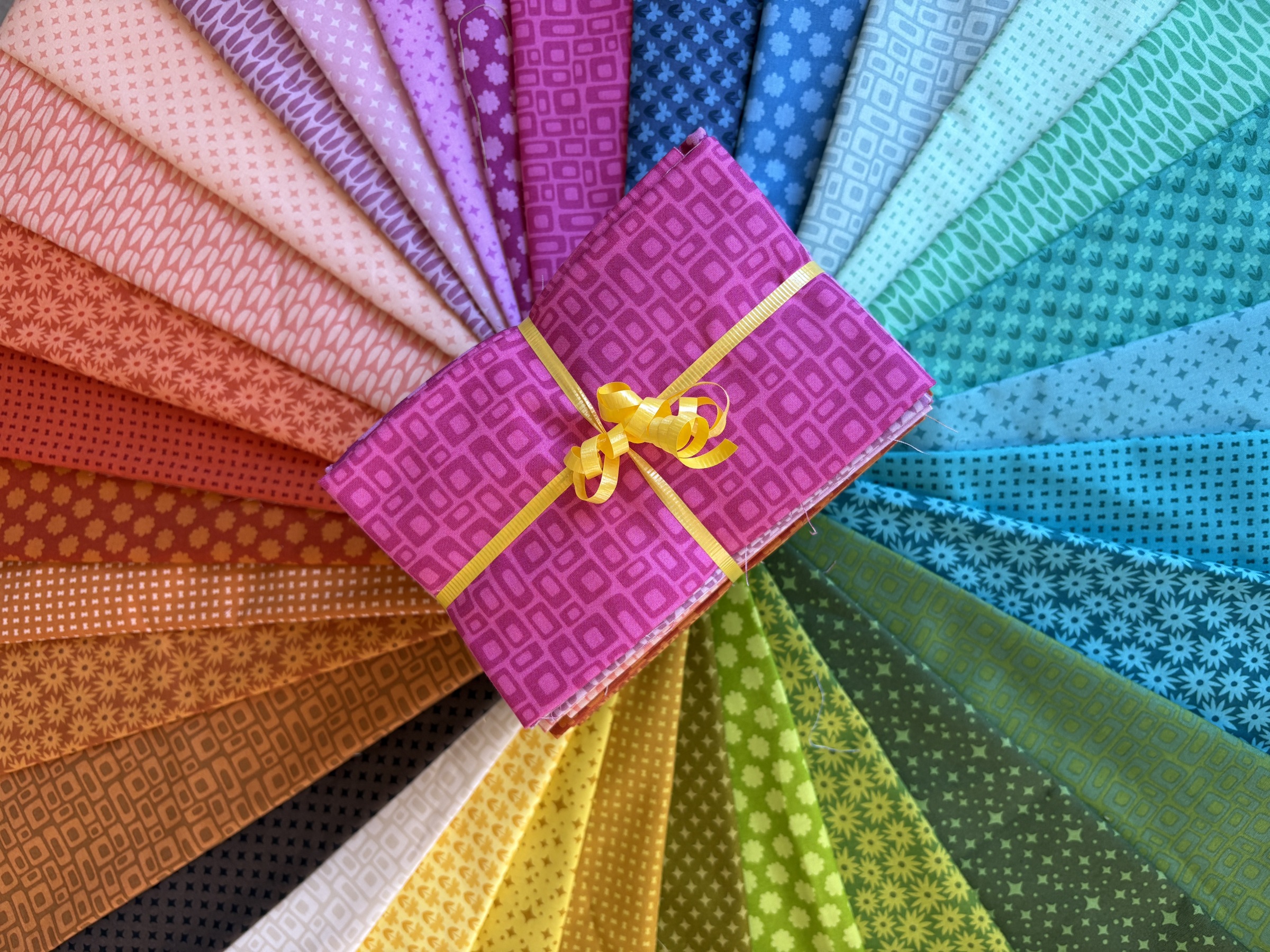
This is the classic beginner buy: eight coordinating 100% cotton prints, each a generous precut square, for roughly the price of a sandwich. It is not quilt-shop fabric, and nobody pretends it is, but for learning it is exactly right. The cotton is stable enough to sew straight seams, the prints are cheerful enough to make practice projects you will actually keep, and the price is low enough that mistakes do not sting.
Beginners burn through fabric faster than they expect. Every tote bag, pillowcase, and practice block eats a fat quarter or two, and buying one big bundle up front is cheaper and less stressful than running to the store for every project. Owners use these bundles for exactly that: kids’ crafts, first quilts, bags, and pincushions. The cuts are clean and the colors hold up to washing, which is all a practice fabric needs to do.
Think of bundles like this as training wheels. Sew your first dozen projects on affordable cotton, then spend real money on quilt-shop fabric once your seams are straight and your projects are keepers.
Good
✓ Eight coordinated prints for the price of a yard or two
✓ Stable cotton that sews straight without fighting you
✓ Perfect quantity for a batch of first projects
Watch out for
✕ Not quilt-shop quality, save premium fabric for keeper quilts
✕ Prints are random within the theme, you do not choose each one
2. HANPATQUI 50-Piece 5-Inch Charm Squares

Charm squares are the laziest way to start patchwork: fifty 5-inch squares, already cut, in assorted green prints. Sew them into rows, sew the rows together, and you have a quilt top or a table runner with zero rotary cutting involved. For a beginner who does not own a rotary cutter and mat yet, that removes the most intimidating step of patchwork.
The value here is practice volume. Fifty squares is enough for several small projects or one respectable baby quilt, and the repetition of sewing the same quarter-inch seam fifty times is genuinely how straight seams get learned. Owners mention the prints are pretty and the cotton sews cleanly, which keeps motivation up through the learning curve.
One tip from experienced quilters: chain-piece charm squares. Feed one pair after another through the machine without cutting the threads between them, then snip the chain apart. It is faster and it trains you to sew consistent seams.
Good
✓ Fifty precut squares, no cutting tools required
✓ Repetition builds straight-seam skills fast
✓ Enough fabric for multiple small projects
Watch out for
✕ Prints are pre-selected, limited control over the palette
✕ Small squares show inaccurate seams, which is the point, but be ready
3. Hanjunzhao Cute Animals Fat Quarter Bundle
Eight fat quarters in cute animal prints, cut to the standard 18 by 22 inches. This bundle exists for one reason: making things for kids. Animal-print cotton turns into the tote bag a five-year-old will actually carry, the pillowcase they will actually use, and the simple quilt that gets dragged everywhere.
From a learning perspective, novelty prints are motivating in a way solids are not. Beginners finish more projects when they like the fabric, and finished projects teach more than perfect fabric ever will. The cotton itself is a standard quilting-weight twill-style print: stable, easy to cut, and forgiving under the needle.
If you are learning to sew specifically to make things for children or grandchildren, start here rather than with a generic bundle. The projects will get finished, gifted, and loved, which is the whole point.
Good
✓ Kid-friendly prints that make gifts people actually want
✓ True fat quarter cuts, versatile for many project types
✓ Stable cotton, easy for beginners to handle
Watch out for
✕ Directional prints need attention when cutting, animals should face up
✕ Themed prints limit mixing with other bundles
4. UPSYTIO 9-Piece Floral Fat Quarter Bundle
Nine floral prints in 100% cotton, each roughly 20 inches square. Florals are the workhorse print of beginner sewing: they look good in patchwork, they make pretty bags and aprons, and small-scale florals hide imperfect seams better than almost any other print. That last point matters more than it sounds. A busy floral forgives a wobbly quarter inch in a way a solid never will.
Owners use these squares for patchwork, doll clothes, cushion covers, and scrap-style projects. The cotton is on the lighter side, which makes it easy to sew but means you should interface it if you are making bags that need to hold their shape. A layer of medium-weight fusible interfacing turns light quilting cotton into perfectly good bag fabric.
Buy this bundle if you want your practice projects to look good while you are still learning. There is no rule that says training fabric has to be ugly.
Good
✓ Florals hide beginner seam wobbles better than solids
✓ Nine different prints give real patchwork variety
✓ Lightweight cotton sews easily on any machine
Watch out for
✕ Light weight needs interfacing for structured bags
✕ Squares are slightly smaller than true fat quarters
The 7 Easy Fabrics to Learn On
Beyond the bundles above, here are the seven fabric types beginners should reach for, in roughly the order you will meet them.
1. Quilting cotton. The default. Medium weight, tight weave, stable, presses beautifully, and comes in every print imaginable. If you only ever sew one fabric type, make it this one.
2. Kona-style cotton solids. The same cotton without prints. Solids force you to sew accurately because every wobble shows, which makes them excellent second-stage practice fabric once basic seams feel easy.
3. Linen and linen blends. Real linen wrinkles and frays, which sounds bad, but its slightly loose weave grips the feed dogs and does not slip. Napkins, simple tops, and tote bags in linen look expensive and sew easily. Blends with cotton are even more forgiving.
4. Light denim and chambray. The stable twill weave does not stretch or shift, and it presses like a dream. Chambray, which looks like denim but sews like quilting cotton, is one of the most underrated beginner fabrics for shirts and dresses.
5. Fleece. No fraying, no pressing needed, stretches just enough to be forgiving but not enough to fight you. Fleece blankets, hats, and scarves are confidence-building first projects. Use a slightly longer stitch length and a walking foot if you have one.
6. Flannel. Soft, stable, and cheap, with the added bonus that its fuzzy surface hides seam imperfections. Pajama pants in flannel are the classic “my first garment” for a reason.
7. Canvas and duck cloth. Heavy, stable, and nearly impossible to sew crookedly. Tote bags, aprons, and storage bins in canvas teach construction skills without any fabric drama. Your machine needs a denim needle for the thick seams, but the fabric itself is a model student.
Fabrics to Avoid Until Later
Silk and satin. Beautiful, slippery, and utterly unforgiving. They shift under the presser foot, show every needle hole, and water-spot if you look at them wrong. Gorgeous for project fifty, miserable for project five.
Chiffon and other sheer fabrics. They fray if you breathe on them, slip constantly, and require French seams to look finished. French seams are a great skill, just not a first skill.
Slippery knits. Jersey and interlock stretch as you sew, which means seams ripple unless you know how to control the stretch with the right needle, stitch, and presser foot. Learn on wovens first, then tackle knits with a walking foot and ballpoint needles.
Stretch velvet and sequined fabrics. These are specialty materials with specialty problems: crushed nap, broken needles, and seams that refuse to press. Admire them from a distance for now.
Faux leather and vinyl. They do not fray and they look impressive, but they stick to the presser foot, show every stitch hole permanently, and cannot be unpicked without visible damage. Save them for when ripping out a seam is rare.
The pattern in this list: avoid anything slippery, stretchy, or impossible to unpick. Your first twenty projects should be in fabrics that forgive.
How We Picked
We prioritized affordability and forgiveness over prestige. Every bundle on this list is 100% cotton in beginner-friendly precut sizes, widely available on Amazon, and priced so that mistakes cost pennies rather than tears. We checked buyer reviews for consistent reports of clean cuts and sewable fabric, and we excluded anything marketed to beginners that is actually difficult, like satin “starter” kits. The seven fabric types come from the consensus of sewing teachers: stable wovens first, everything else later.
FAQs
What is the absolute easiest fabric for a total beginner?
Quilting cotton. It is stable, it does not stretch, it presses flat, and it comes in prints that make even simple projects look good. Start there and branch out after a dozen projects.
Should beginners prewash fabric?
For practice projects, it does not matter much. For anything that will be washed, like pillowcases or garments, prewash the same way you will wash the finished item, because cotton shrinks. Never prewash small precuts like charm squares; they fray and tangle.
How much fabric should I buy as a beginner?
One or two bundles like the ones above will cover your first month of projects. Resist the urge to build a huge stash before you know what you like sewing; taste develops fast in the first year.
Can beginners sew with old bedsheets?
Yes, and it is genuinely good practice fabric. Flat sheets are usually cotton or cotton blend in a stable weave, and they are free. The downside is you cannot choose the print, and thin sheets can be shifty. Fine for tote bags and practice, less ideal for garments.
When am I ready to try knits?
When you can sew a straight seam, pivot a corner, and set in a simple sleeve in woven fabric without stress. Then get ballpoint needles, a walking foot, and a stable knit like ponte before attempting slinky jersey.
Is expensive fabric easier to sew?
Usually, yes. Quilt-shop cotton is woven tighter and cut straighter than bargain fabric, which genuinely makes it easier to sew accurately. But beginner mistakes happen regardless of fabric price, so practice on the affordable bundles and save the good stuff for keepers.