
As an Amazon Associate I earn from qualifying purchases.
Quilting fabric is its own little universe with its own vocabulary, and walking into it cold is confusing. Jelly rolls, charm packs, layer cakes, fat quarters: these are not marketing fluff, they are standardized precut sizes that the whole quilting world has agreed on, and most modern quilt patterns are written around them. Buy the right precut and you can start sewing in minutes. Buy fabric the wrong way and you will spend your first evening doing math.
This guide explains what each precut is and what it is for, then names the specific bundles worth buying: the Kona cotton solids that quilters treat as the gold standard, a Moda jelly roll from a beloved designer collection, and a Riley Blake bundle with the cheerful prints the brand is known for.
TL;DR: Start with 100% quilting cotton from a quilt-shop brand, not craft-store fabric. The Robert Kaufman Kona Cotton Solids fat quarter bundle (~$40-60) is the best foundation fabric for any stash. For precuts, the Lella Boutique Wild Honey Jelly Roll by Moda (~$45-55) gives you 40 coordinated 2.5″ strips ready to sew, and the Riley Blake Lori Holt Piece and Plenty Rolie Polie (~$40-55) is the same idea in Riley Blake’s signature cheerful prints. Never prewash precuts.
At a Glance, Our Scores
| Pick | Best for | Our score | Typical price | Buy |
|---|---|---|---|---|
| Robert Kaufman Kona Cotton Solids FQ Bundle (Not Quite White) | Best foundation fabric | 9.4/10, the industry-standard quilting cotton | ~$40-60 | Check Price on Amazon |
| Lella Boutique Wild Honey Jelly Roll (Moda) | Best jelly roll | 9.1/10, 40 coordinated 2.5″ strips, designer collection | ~$45-55 | Check Price on Amazon |
| Riley Blake Lori Holt Piece and Plenty Rolie Polie | Best Riley Blake precut | 9.0/10, 40 cheerful 2.5″ strips in Lori Holt prints | ~$40-55 | Check Price on Amazon |
| Moda Bella Solids Ivory Junior Jelly Roll | Best small-batch precut | 8.7/10, 20 strips, ideal for small projects and bindings | ~$25-35 | Check Price on Amazon |
Prices move constantly on Amazon, every “Check Price on Amazon” link below takes you to the live listing.
Quick Picks
- Best foundation: Robert Kaufman Kona Cotton Solids fat quarter bundle (~$40-60). The standard everything else is judged against.
- Best jelly roll: Lella Boutique Wild Honey by Moda (~$45-55). Forty strips, zero cutting.
- Best Riley Blake: Lori Holt Piece and Plenty Rolie Polie (~$40-55). Same format, cheerful prints.
- Best small precut: Moda Bella Solids Ivory Junior Jelly Roll (~$25-35). Twenty strips for smaller projects.
Precut Types Explained: Jelly Rolls, Charm Packs, Fat Quarters, Layer Cakes
Jelly rolls are 2.5-inch wide strips cut across the full width of the fabric, usually about 44 inches long, with 40 strips per roll. They are made for strip piecing: sew strips together, cut across them, and you get patchwork units fast. Log cabin, rail fence, and strip-pieced bargello quilts are all jelly roll quilts at heart. Moda invented the format; Riley Blake calls theirs Rolie Polies, same thing, different name.

Charm packs are 5-inch squares, usually 42 per pack. They are the precut for simple patchwork: sew squares together and you have a quilt top with no cutting at all. A charm pack quilt is the classic first quilt, and patterns written for “5-inch squares” mean charm packs.
Fat quarters are 18 by 22 inch cuts, a quarter yard of fabric cut wide instead of narrow, so the piece stays usable for larger pattern pieces. Bundles of 12 to 20 fat quarters in coordinated colors are the backbone of most fabric stashes. When a pattern says “fat quarter friendly,” this is what it means.
Layer cakes are 10-inch squares, usually 42 per pack. They sit between charm packs and fat quarters: big enough for larger blocks and applique shapes, still precut and coordinated. Many modern patterns are written specifically for layer cakes.
One rule covers all of them: do not prewash precuts. The small pieces will fray and shrink unevenly, and the pinked edges that manufacturers cut to reduce fraying do not survive the washing machine. Wash yardage if you like, but sew precuts as they come.
1. Robert Kaufman Kona Cotton Solids Fat Quarter Bundle (Not Quite White)

Kona cotton is the solid fabric that the quilting world measures everything else against. Robert Kaufman makes it in hundreds of colors with dye lots quilters trust, which matters because nothing ruins a quilt faster than two “white” fabrics that do not match. The weave is tight and smooth, it presses crisply, and it does not stretch out of shape while you piece.
This particular bundle, the Not Quite White collection, is twelve fat quarters in soft off-white and cream tones. It sounds boring until you realize that backgrounds and sashing eat more fabric than any other part of most quilts. Owners call it quilting bliss for a reason: having a stack of perfectly matched neutrals on hand means you can start almost any pattern without a fabric run. Reviewers consistently praise the color consistency and the clean, even cuts.
Kona is also the fabric to learn what good quilting cotton feels like. Once you have sewn with it, you will be able to tell quilt-shop cotton from craft-store cotton by touch, and that instinct will save you from bad fabric for the rest of your quilting life.
Good
✓ Industry-standard quilting cotton with trusted dye lots
✓ Tight weave presses crisply and pieces accurately
✓ Neutral bundle covers backgrounds and sashing for many quilts
Watch out for
✕ Solids show every wrinkle, press as you go
✕ Premium price compared with craft-store cotton, worth it for the consistency
2. Lella Boutique Wild Honey Jelly Roll by Moda Fabrics

Moda more or less invented both the designer fabric collection and the jelly roll format, and their precuts remain the benchmark. This one is from Lella Boutique’s Wild Honey collection: forty 2.5-inch strips in coordinated florals and prints that were designed to work together, so every combination you sew looks intentional.
The appeal of a jelly roll is speed. There is no cutting, no matching prints across bolts, no math. Open the roll and start sewing strips together, and an hour later you have a quilt top taking shape. Buyers of Moda jelly rolls consistently mention the clean die-cut edges and the way the colors in a single collection harmonize, which takes the hardest part of quilting, fabric selection, off the table for beginners.
Wild Honey is a warm, honeyed floral collection, which suits traditional and farmhouse-style quilts. If your taste runs modern, Moda releases new designer collections constantly, and the format is identical across all of them: 40 strips, 2.5 by 44 inches, quilt-shop cotton.
Good
✓ Forty coordinated strips, no cutting or fabric math required
✓ Designer collection means the prints genuinely work together
✓ Clean pinked edges resist fraying while you sew
Watch out for
✕ Prints are fixed to the collection, less flexibility than choosing yardage
✕ Do not prewash, the strips will fray and tangle
3. Riley Blake Designs Lori Holt Piece and Plenty Rolie Polie
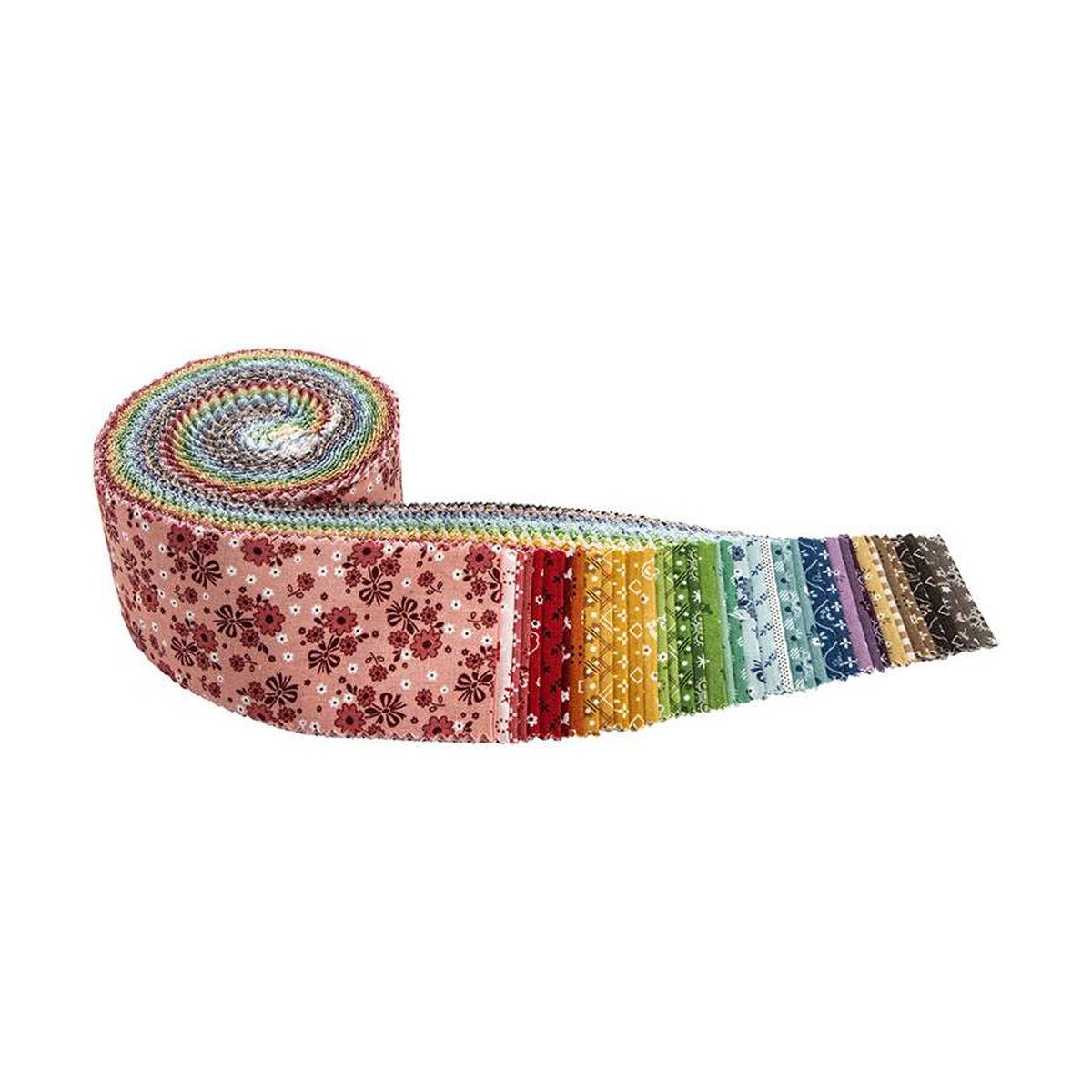
Riley Blake’s version of the jelly roll is called a Rolie Polie, and it is the same deal: forty 2.5-inch strips of coordinated quilting cotton, precision cut with pinked edges. This one is from Lori Holt’s Piece and Plenty collection, and Lori Holt is something of a phenomenon in the quilting world, known for cheerful vintage-inspired prints and patterns that beginners love.
The practical difference between this and the Moda roll above is aesthetic, not quality. Both are quilt-shop cotton, both are cut accurately, both sew beautifully. Riley Blake’s prints lean brighter and more playful, with the small-scale florals and geometrics that make charming baby quilts, table runners, and scrap-style patchwork. If you are choosing between them, pick the prints that make you want to sew, because the best precut is the one you actually open.
Owners report that Riley Blake precuts are cut generously and consistently, and the brand’s backing among quilt shops means patterns designed for their collections are easy to find.
Good
✓ Same proven 40-strip format as a jelly roll
✓ Lori Holt prints are beloved by beginner quilters
✓ Accurate cuts and cheerful, versatile patterns
Watch out for
✕ Bright prints show in seam allowances on light backgrounds, trim carefully
✕ Collection-specific, buy an extra roll if your quilt is large
4. Moda Bella Solids Ivory Junior Jelly Roll
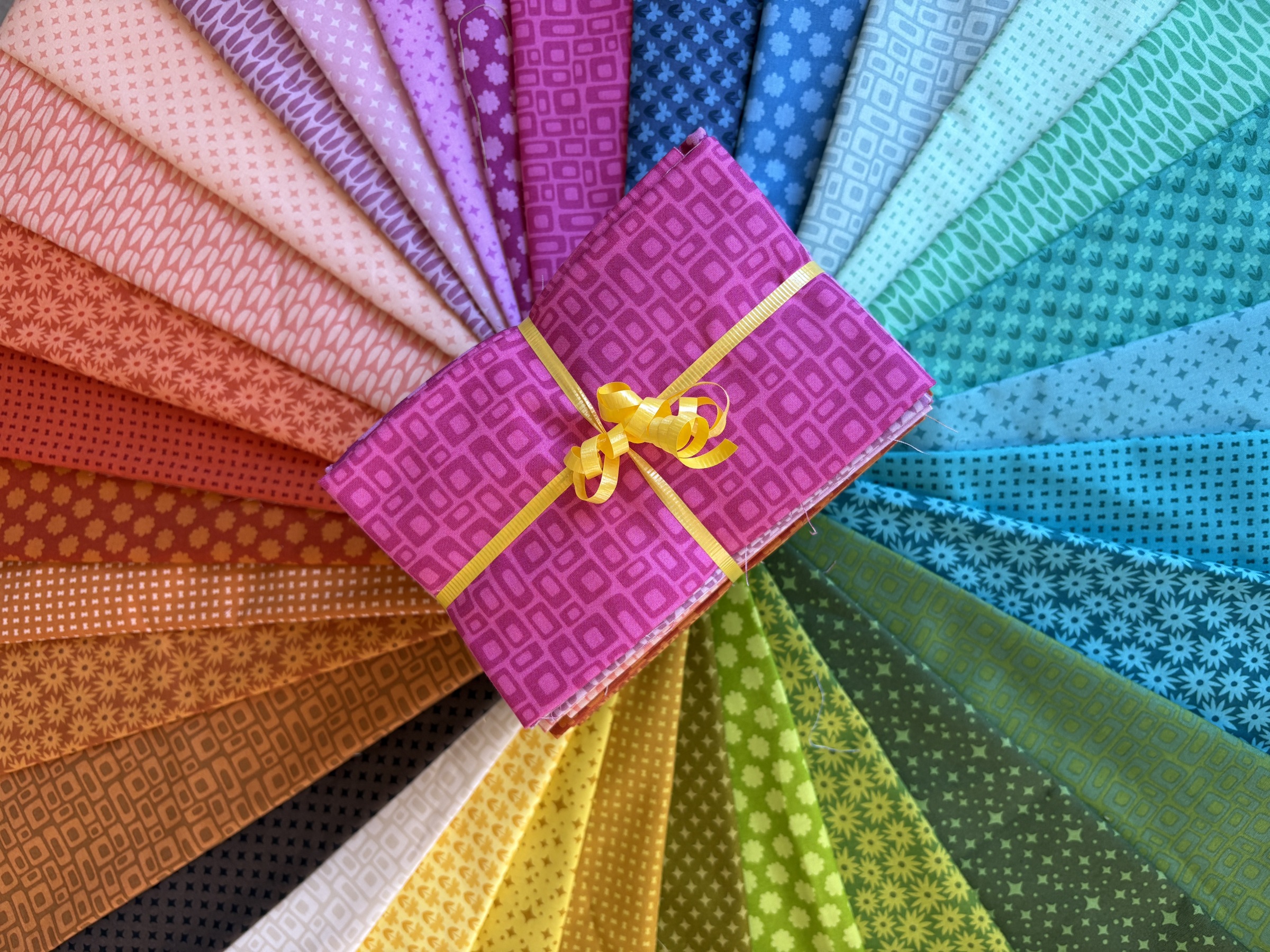
A junior jelly roll is the half-size version: twenty 2.5-inch strips instead of forty. This one is Moda’s Bella Solids line in ivory, which is the solid equivalent of the Kona bundle above. It exists for the projects where a full forty-strip roll is overkill: bindings, sashing, borders, table runners, and baby quilts.
Ivory and cream solids are the hardest working fabrics in quilting. They calm down busy prints, give the eye somewhere to rest, and make up the background of an enormous number of patterns. Having twenty coordinated ivory strips on hand means you can cut binding for several quilts or add sashing without buying full yardage of a color you only need in strips.
The Bella Solids line is Moda’s answer to Kona, and quilters debate the two the way coffee drinkers debate roasts. Both are excellent quilt-shop cottons. Bella Solids have a slightly softer hand out of the package, which some quilters prefer for bindings that need to turn crisply.
Good
✓ Twenty strips is the right size for bindings and small projects
✓ Bella Solids are a top-tier solid cotton, comparable to Kona
✓ Ivory goes with nearly every print collection
Watch out for
✕ Not enough strips for a full strip-pieced quilt top on its own
✕ Light color shows pressing marks, use a dry iron or press cloth
Why Quilt-Shop Cotton Beats Craft-Store Cotton
The single biggest fabric mistake beginners make is buying the cheapest cotton they can find. Quilting cotton from quilt-shop brands like Robert Kaufman, Moda, and Riley Blake is woven tighter, printed with better dyes, and cut on the straight grain. Craft-store cotton is often loosely woven, which means it stretches while you sew, frays aggressively, and fades after a few washes.
You do not need to buy the most expensive fabric for practice pieces. But for any quilt you hope will last, the price difference between quilt-shop precuts and bargain fabric is a few dollars per project, and the difference in how the quilt sews, presses, and washes is enormous. Buy the good stuff for the real quilts.
How We Picked
We picked the three brands that dominate quilting forums and quilt-shop shelves: Robert Kaufman for solids, Moda for designer precuts, and Riley Blake for cheerful prints. Within each brand we chose bundles that are widely available on Amazon with stable listings and long review histories, and we favored formats that beginners can sew immediately without cutting equipment. Price ranges reflect typical Amazon pricing and shift with sales and availability.
FAQs
What is the best fabric for a first quilt?
One hundred percent quilting cotton from a quilt-shop brand. A charm pack or jelly roll is ideal because the cutting is done for you and the prints coordinate. Pair it with a solid like Kona for sashing or binding.
Should I prewash quilting fabric?
Wash yardage if you want to, but never prewash precuts. The small pieces fray, shrink unevenly, and tangle in the machine. Most quilters today skip prewashing entirely and wash the finished quilt instead.
How much fabric do I need for a throw quilt?
A typical throw (about 50 by 65 inches) takes roughly 3 to 4 yards total, or one jelly roll plus background fabric, or about 12 fat quarters. Check your specific pattern, since requirements vary.
What is the difference between a jelly roll and a Rolie Polie?
Nothing structural. Jelly Roll is Moda’s name for forty 2.5-inch strips; Rolie Polie is Riley Blake’s name for the same thing. Strips from different brands mix fine in scrappy quilts.
Is Kona cotton worth the price?
For solids, yes. The color consistency across dye lots means the Kona white you buy this year matches the Kona white you bought three years ago, which matters when you run short mid-quilt. Cheaper solids cannot promise that.
Can I mix brands in one quilt?
Absolutely. Quilt-shop cottons from different brands are all similar weight and weave, so they sew and wash compatibly. Scrappy quilts routinely mix Moda, Riley Blake, Kaufman, and others without issues.
Cutting your own binding for a quilt? Our free Quilt Binding Calculator works out the exact binding length, strip count and fabric yardage from your quilt size — no maths, no wasted fabric.